For those who love the sleek shine of white gold or pure silver, there’s no doubt that both offer a timeless, elegant alternative to other precious metals such as yellow gold. At first glance, it can be hard to tell the difference between white gold vs. silver — they’re both pleasing to the eye with a lustrous chromatic finish.
Yet, beyond their initial appearances, there are some fundamental differences between them. Knowing these differences can help you decide on the best option for you or your special recipient.
Here, we delve into all there is to know about white gold vs. silver, exploring such factors as affordability, durability, care and maintenance. But first, let’s start with the basics:
What is white gold?
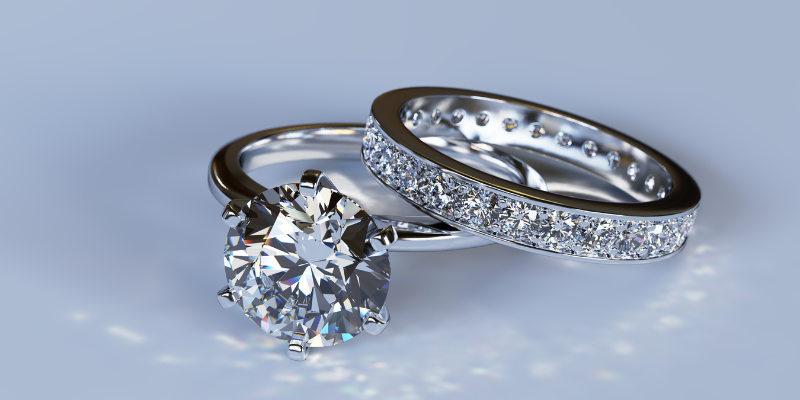
White gold combines gold and other precious metals such as silver, nickel and palladium. This combination of metals is called an alloy. In its pure form, gold is considered too soft for practical use — the alloy makes gold harder and more durable and gives it a white hue. The properties of white gold can vary depending on the alloy used.
As with yellow gold, white gold purity is measured in karats. 18-karat white gold, made up of 75% gold and 25% other metals, is considered a high purity level and a popular jewellery option for many people. For those needing a more durable and affordable option, 14-karat white gold (58.3% gold and 41.7% alloy) may be preferred.
What is silver?
Silver is a precious metal known for its beauty and relative affordability. It has been used to create items such as jewellery and coins for centuries — you would be hard-pressed to find a jewellery lover who didn’t have at least one silver piece in their collection! Silver is also hypoallergenic, making it a fantastic option for people with sensitive skin; however, this depends on which other metals it’s combined with.
Similar to pure gold, silver is a relatively soft metal with little durability in its pure form. For this reason, it is often combined with other metals — this alloy is referred to as sterling silver. When looking at a sterling silver item, you may see “0.925” or “925” stamped on it, which means it consists of 92.5% pure silver and 7.5% other metals.
Most often, sterling silver is an alloy of silver and copper, which is also hypoallergenic. This, and its high availability and affordability, make sterling silver one of the most prevalent white-hued metals on the market.
White gold vs. silver — things to consider
Let’s delve now into the specific differences between white gold and silver to help you make the most informed purchasing decision.
Colour — At first glance, both precious metals seem to have a very similar hue. Yet, white gold has a distinctly white hue, resulting from the original yellow gold combined with an alloy metal. It is often plated with rhodium to give it an elegant, mirrored finish. Conversely, silver has a grey-white hue with a classy, gleaming finish. This makes it an ideal pairing that doesn’t overpower other gemstones.
Cost — No doubt, silver remains one of the most affordable precious metals on the market. Its affordability makes it a popular choice for costume jewellery that can be rotated with the recipient’s wardrobe.
White gold comes with a significantly higher price point than silver — this is due in part to its higher durability. Yet, white gold is still more affordable than other silver-white-hued metals, such as platinum, and a good option for those who are after a classic, elegant piece of jewellery that will be treasured for years to come.
Durability — Durability is important for jewellery, especially for everyday pieces such as engagement rings and wedding bands. A less durable piece will be more susceptible to showing signs of wear and tear, such as scratching. White gold is more durable than silver, though its hardness depends on its purity level or karats.
Silver can be more prone to slight changes of shape and scratches than white gold — white gold is heavily resistant to impact, which makes it a good option for those with an active lifestyle.
Care and Maintenance — As with all jewellery pieces, white gold and silver need some level of care and maintenance to keep them looking their best. To restore its white finish and lustre, white gold requires a rhodium plating reapplication by a jeweller every few years — without this, your white gold may show signs of “yellowing”.
Having said this, white gold generally doesn’t need the same level of care and maintenance as silver. Silver requires regular care, including cleaning and polishing, to keep it looking new. Silver pieces should also be stored away from excessive moisture and air pollutants to avoid discolouration. It’s important to note that while sterling silver may be prone to tarnish, it won’t rust.
Allergies — When it comes to metal, one of the most common allergies is nickel, which can be present as an alloy in white gold and silver. Although sterling silver is usually 92.5% pure silver and 7.5% copper, nickel may be included in the alloyed metals. If copper is the only alloy present, sterling silver is considered hypoallergenic.
Nickel is commonly used as an alloy in white gold; however, its rhodium plating offers good protection from the nickel — if you’re allergic to nickel, it’s especially important to ensure that you have the rhodium plating reapplied every couple of years.
White gold vs. silver — which is better?
Ultimately, this comes down to what you’re looking for in your jewellery — one isn’t necessarily better than the other! If affordability is an issue, you may find a sterling silver piece easier on your purse strings.
However, silver doesn’t have the durability of white gold and requires a little more maintenance to keep it at its optimal best. Conversely, if metal allergies or sensitivities are a concern, you may wish to choose silver over white gold, which is more likely to contain nickel.
As with most purchasing decisions, deciding whether to invest in a white gold or silver piece largely boils down to personal preference, lifestyle and how much you would like to spend. Both precious metals offer various options and will be a truly stunning addition to any jewellery collection.
Shop exquisite white gold and silver jewellery at Diamonds Factory
At Diamonds Factory, we’re your trusted suppliers of exceptional quality white gold and silver jewellery, including exquisite white gold and silver engagement rings and beautiful silver diamond rings. For peace of mind, all of our jewellery is handcrafted by our local team of expert artisans and we take special care to use the highest quality, ethically sourced materials in our jewellery production.
Unlike many traditional jewellers, we’re able to create outstanding quality jewellery at superb prices — up to 78% less than other jewellers — by cutting out the middleman and designing and delivering your piece straight to your door. View our complete collection today, or get in touch to enquire about designing a beautiful bespoke piece for your collection.








 Unlock private sale access
 Birthday privileges
 Plus a world of exclusives, curated for you.


For those who love the sleek shine of white gold or pure silver, there’s no doubt that both offer a timeless, elegant alternative to other precious metals such as yellow gold. At first glance, it can be hard to tell the difference between white gold vs. silver — they’re both pleasing to the eye with a lustrous chromatic finish.
Yet, beyond their initial appearances, there are some fundamental differences between them. Knowing these differences can help you decide on the best option for you or your special recipient.
Here, we delve into all there is to know about white gold vs. silver, exploring such factors as affordability, durability, care and maintenance. But first, let’s start with the basics:
What is white gold?
White gold combines gold and other precious metals such as silver, nickel and palladium. This combination of metals is called an alloy. In its pure form, gold is considered too soft for practical use — the alloy makes gold harder and more durable and gives it a white hue. The properties of white gold can vary depending on the alloy used.
As with yellow gold, white gold purity is measured in karats. 18-karat white gold, made up of 75% gold and 25% other metals, is considered a high purity level and a popular jewellery option for many people. For those needing a more durable and affordable option, 14-karat white gold (58.3% gold and 41.7% alloy) may be preferred.
What is silver?
Silver is a precious metal known for its beauty and relative affordability. It has been used to create items such as jewellery and coins for centuries — you would be hard-pressed to find a jewellery lover who didn’t have at least one silver piece in their collection! Silver is also hypoallergenic, making it a fantastic option for people with sensitive skin; however, this depends on which other metals it’s combined with.
Similar to pure gold, silver is a relatively soft metal with little durability in its pure form. For this reason, it is often combined with other metals — this alloy is referred to as sterling silver. When looking at a sterling silver item, you may see “0.925” or “925” stamped on it, which means it consists of 92.5% pure silver and 7.5% other metals.
Most often, sterling silver is an alloy of silver and copper, which is also hypoallergenic. This, and its high availability and affordability, make sterling silver one of the most prevalent white-hued metals on the market.
White gold vs. silver — things to consider
Let’s delve now into the specific differences between white gold and silver to help you make the most informed purchasing decision.
Colour — At first glance, both precious metals seem to have a very similar hue. Yet, white gold has a distinctly white hue, resulting from the original yellow gold combined with an alloy metal. It is often plated with rhodium to give it an elegant, mirrored finish. Conversely, silver has a grey-white hue with a classy, gleaming finish. This makes it an ideal pairing that doesn’t overpower other gemstones.
Cost — No doubt, silver remains one of the most affordable precious metals on the market. Its affordability makes it a popular choice for costume jewellery that can be rotated with the recipient’s wardrobe. White gold comes with a significantly higher price point than silver — this is due in part to its higher durability. Yet, white gold is still more affordable than other silver-white-hued metals, such as platinum, and a good option for those who are after a classic, elegant piece of jewellery that will be treasured for years to come.
Durability — Durability is important for jewellery, especially for everyday pieces such as engagement rings and wedding bands. A less durable piece will be more susceptible to showing signs of wear and tear, such as scratching. White gold is more durable than silver, though its hardness depends on its purity level or karats. Silver can be more prone to slight changes of shape and scratches than white gold — white gold is heavily resistant to impact, which makes it a good option for those with an active lifestyle.
Care and Maintenance — As with all jewellery pieces, white gold and silver need some level of care and maintenance to keep them looking their best. To restore its white finish and lustre, white gold requires a rhodium plating reapplication by a jeweller every few years — without this, your white gold may show signs of “yellowing”. Having said this, white gold generally doesn’t need the same level of care and maintenance as silver. Silver requires regular care, including cleaning and polishing, to keep it looking new. Silver pieces should also be stored away from excessive moisture and air pollutants to avoid discolouration. It’s important to note that while sterling silver may be prone to tarnish, it won’t rust.
Allergies — When it comes to metal, one of the most common allergies is nickel, which can be present as an alloy in white gold and silver. Although sterling silver is usually 92.5% pure silver and 7.5% copper, nickel may be included in the alloyed metals. If copper is the only alloy present, sterling silver is considered hypoallergenic.
Nickel is commonly used as an alloy in white gold; however, its rhodium plating offers good protection from the nickel — if you’re allergic to nickel, it’s especially important to ensure that you have the rhodium plating reapplied every couple of years.
White gold vs. silver — which is better?
Ultimately, this comes down to what you’re looking for in your jewellery — one isn’t necessarily better than the other! If affordability is an issue, you may find a sterling silver piece easier on your purse strings.
However, silver doesn’t have the durability of white gold and requires a little more maintenance to keep it at its optimal best. Conversely, if metal allergies or sensitivities are a concern, you may wish to choose silver over white gold, which is more likely to contain nickel.
As with most purchasing decisions, deciding whether to invest in a white gold or silver piece largely boils down to personal preference, lifestyle and how much you would like to spend. Both precious metals offer various options and will be a truly stunning addition to any jewellery collection.
Shop exquisite white gold and silver jewellery at Diamonds Factory
At Diamonds Factory, we’re your trusted suppliers of exceptional quality white gold and silver jewellery, including exquisite white gold and silver engagement rings and beautiful silver diamond rings. For peace of mind, all of our jewellery is handcrafted by our local team of expert artisans and we take special care to use the highest quality, ethically sourced materials in our jewellery production.
Unlike many traditional jewellers, we’re able to create outstanding quality jewellery at superb prices — up to 78% less than other jewellers — by cutting out the middleman and designing and delivering your piece straight to your door. View our complete collection today, or get in touch to enquire about designing a beautiful bespoke piece for your collection.