
What is an eternity ring?
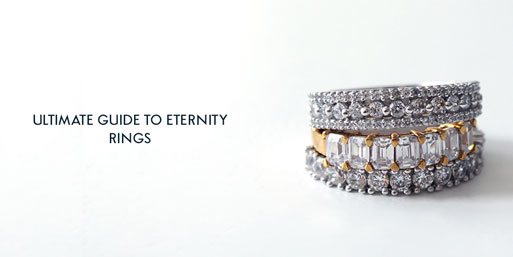
An eternity ring, also known as infinity ring, traditionally features an endless row of same size diamonds set in a precious metal, like gold or platinum. This ring symbolises a neverending love and is usually given to celebrate a milestone in the life of a couple like an anniversary or the birth of a child.
History
Viewed as a symbol of unending love, the eternity ring has stood the test of time as one of the most historic ring designs. The meaning of “eternity” comes from the idea of the circular band representing infinity. It’s a deeply romantic thought but, when did eternity rings originate? It is thought that the first eternity ring was created 4000 years ago by the Egyptians, where instead of commemorating a special occasion these rings were given as a token of love between couples.
Early examples of eternity rings were metal bands set with a stone or rings portraying a snake swallowing its own tail, a symbol used to represent eternity.
When is an eternity ring given?
Nowadays, eternity rings are still a symbol of eternal love. However, this ring style is not only intended for engagements since they make a great choice for anniversary gifts, as the idea of eternity or everlasting time is a perfect fit to celebrate the years that have gone by when celebrating the anniversary of your loved one.
There is one thing that eternity rings are always known for; pure luxury. With diamonds encrusted all around the metal band, eternity rings have a remarkable sparkle that shines around the band when viewed from most angles. The diamonds come in different sizes and styles. They’re very noticeable from a distance and are perfect to combine with other rings.
Different types of Eternity Rings
Eternity rings come in two styles:
- Full eternity:
Full eternity rings are one of the most luxurious options since these rings are set with stones, typically diamonds, around the entire band of the ring. Full eternity rings have an exceptional show of light and can be worn alone on the right hand or in between the wedding ring and engagement ring. To know more about the order rings should be worn, you can check this post. One thing to consider about full eternity rings is that they can’t be resized so it is good to know your partner’s size (or yours!) correctly.

- Half eternity:
They might have fewer stones but that doesn’t mean they are less stunning. Half eternity rings are set with stones halfway around the band featuring either same size stones or stones in a variety of sizes and shapes. This style of eternity rings can be less expensive but at the end, it will depend on the quality of the stones. Half eternity rings can be resized as long as it is not engraved.

Diamond Eternity Rings
Without a doubt, diamond eternity rings are a symbol of luxury and love and are the most popular option when it comes to eternity rings. Diamonds are one of the most precious and unique stones, so who wouldn’t want to have a ring that it is almost made entirely by diamonds?
What are the different types of cuts?
Usually, only 3 shapes are used to make diamond eternity rings although a combination of the three is an option.
- Round: this shape is magical since it works perfectly with almost every type of setting. Round diamonds have a beautiful sparkle thanks to its shape being symmetrical 360-degree. A classic and beautiful choice without a doubt like this stunning 4-prong eternity ring.

- Princess: this shape has square and clean lines which make it perfect for an eternity ring since each diamond will fit seamlessly next to the other. Princess diamonds are classic but yet modern and are the ideal choice for those who love the sparkle of a round diamond with a contemporary twist.

-Baguette: this shape is commonly used in eternity rings, mixed with other shapes or alone. This versatile diamond shape can be feature vertical or horizontally for a more dramatic look.

Gemstone Eternity Rings
A more colorful take on the eternity rings. There are many styles from having only one type of gemstone to mixing them altogether or even including diamonds in the mix. The most popular gemstones to use in eternity rings are rubies, sapphires and emeralds since these gemstones are the most precious and harder after diamonds. But you could also choose others, maybe your partner’s birthstone. At Diamonds Factory we offer a free bespoke service where you can design the eternity ring of your dreams. Click here to know more.
Different Types of Settings
- Prong: this type of setting wraps the diamond and overlaps it slightly at the top hold it in place. Prong settings are more suitable for round diamonds and allow the maximum amount of light to enter the diamond, creating an extraordinary show of lights.

- Bezel: this type of setting encircles the diamond with a thin metal rim that holds the stone in place. Bezel settings are perfect for those who have a more active lifestyle contrary to prong settings that are prone to snag on clothing or furniture, with the risk of the setting getting loose and ending up losing the diamond.
This setting gives an edgy and modern look to a classic eternity ring.

Channel: a beautiful setting that sets each stone next to the other, with no metal in between, creating a channel. Channel settings are perfect for those with a very active lifestyle since the diamonds are protected. This setting is perfect for princess, round and baguette shaped diamonds. You can browse our amazing Channel collection here.
- Bar: similar to a Channel setting, bar settings feature a long thinned bar shared between two is stones that holds each stone perfectly. This type of setting allows a lot of light in, so sparkles are ensured.
Which metal should you choose?
Taking into account the metal that creates the structure of the band, the full eternity ring is the closest you can get to a ring entirely made of diamonds. The half eternity rings still carry the same kind of luxurious effect in their designs, but the bottom is pure metal for practical reasons.
- Platinum is one of the most precious and rare metals on earth so choosing a platinum eternity ring is a more durable and luxurious option.
- A more affordable version but still one that has been on trend since the 1920’s is white gold. This metal is similar in color to platinum, white gold is yellow gold alloyed with silver or palladium. White gold is a classic option and a ring like this pave setting half eternity ring will have an elegant look.
-The most traditional of the metals, yellow gold has a regal feel. This metal color adds warmth and durability to any piece of jewelry.
How to wear an eternity ring?
Eternity rings can be worn on top of your wedding and engagement ring – wedding ring fist, then engagement ring- or right in the middle.
If three rings worn together are too much for you, you can always wear your eternity ring on your right hand.
When it comes to picking the perfect ring, one has to keep in mind the style of their loved one and in this case, eternity rings attract those who are hopeless romantics and love the feeling of pure luxury. Visit our website and browse our beautiful diamond eternity ring collection or create your own with our free bespoke service.






 Unlock private sale access
 Birthday privileges
 Plus a world of exclusives, curated for you.


What is an eternity ring?
An eternity ring, also known as infinity ring, traditionally features an endless row of same size diamonds set in a precious metal, like gold or platinum. This ring symbolises a neverending love and is usually given to celebrate a milestone in the life of a couple like an anniversary or the birth of a child.
History
Viewed as a symbol of unending love, the eternity ring has stood the test of time as one of the most historic ring designs. The meaning of “eternity” comes from the idea of the circular band representing infinity. It’s a deeply romantic thought but, when did eternity rings originate? It is thought that the first eternity ring was created 4000 years ago by the Egyptians, where instead of commemorating a special occasion these rings were given as a token of love between couples.
Early examples of eternity rings were metal bands set with a stone or rings portraying a snake swallowing its own tail, a symbol used to represent eternity.
When is an eternity ring given?
There is one thing that eternity rings are always known for; pure luxury. With diamonds encrusted all around the metal band, eternity rings have a remarkable sparkle that shines around the band when viewed from most angles. The diamonds come in different sizes and styles. They’re very noticeable from a distance and are perfect to combine with other rings.
Different types of Eternity Rings
Eternity rings come in two styles:
- Full eternity:
Full eternity rings are one of the most luxurious options since these rings are set with stones, typically diamonds, around the entire band of the ring. Full eternity rings have an exceptional show of light and can be worn alone on the right hand or in between the wedding ring and engagement ring. To know more about the order rings should be worn, you can check this post. One thing to consider about full eternity rings is that they can’t be resized so it is good to know your partner’s size (or yours!) correctly.
- Half eternity:
They might have fewer stones but that doesn’t mean they are less stunning. Half eternity rings are set with stones halfway around the band featuring either same size stones or stones in a variety of sizes and shapes. This style of eternity rings can be less expensive but at the end, it will depend on the quality of the stones. Half eternity rings can be resized as long as it is not engraved.
Diamond Eternity Rings
Without a doubt, diamond eternity rings are a symbol of luxury and love and are the most popular option when it comes to eternity rings. Diamonds are one of the most precious and unique stones, so who wouldn’t want to have a ring that it is almost made entirely by diamonds?
What are the different types of cuts?
Usually, only 3 shapes are used to make diamond eternity rings although a combination of the three is an option.
- Round: this shape is magical since it works perfectly with almost every type of setting. Round diamonds have a beautiful sparkle thanks to its shape being symmetrical 360-degree. A classic and beautiful choice without a doubt like this stunning 4-prong eternity ring.
- Princess: this shape has square and clean lines which make it perfect for an eternity ring since each diamond will fit seamlessly next to the other. Princess diamonds are classic but yet modern and are the ideal choice for those who love the sparkle of a round diamond with a contemporary twist.
-Baguette: this shape is commonly used in eternity rings, mixed with other shapes or alone. This versatile diamond shape can be feature vertical or horizontally for a more dramatic look.
Gemstone Eternity Rings
A more colorful take on the eternity rings. There are many styles from having only one type of gemstone to mixing them altogether or even including diamonds in the mix. The most popular gemstones to use in eternity rings are rubies, sapphires and emeralds since these gemstones are the most precious and harder after diamonds. But you could also choose others, maybe your partner’s birthstone. At Diamonds Factory we offer a free bespoke service where you can design the eternity ring of your dreams. Click here to know more.
Different Types of Settings
- Prong: this type of setting wraps the diamond and overlaps it slightly at the top hold it in place. Prong settings are more suitable for round diamonds and allow the maximum amount of light to enter the diamond, creating an extraordinary show of lights.
- Bezel: this type of setting encircles the diamond with a thin metal rim that holds the stone in place. Bezel settings are perfect for those who have a more active lifestyle contrary to prong settings that are prone to snag on clothing or furniture, with the risk of the setting getting loose and ending up losing the diamond.
This setting gives an edgy and modern look to a classic eternity ring.
Channel: a beautiful setting that sets each stone next to the other, with no metal in between, creating a channel. Channel settings are perfect for those with a very active lifestyle since the diamonds are protected. This setting is perfect for princess, round and baguette shaped diamonds. You can browse our amazing Channel collection here.
- Bar: similar to a Channel setting, bar settings feature a long thinned bar shared between two is stones that holds each stone perfectly. This type of setting allows a lot of light in, so sparkles are ensured.
Which metal should you choose?
Taking into account the metal that creates the structure of the band, the full eternity ring is the closest you can get to a ring entirely made of diamonds. The half eternity rings still carry the same kind of luxurious effect in their designs, but the bottom is pure metal for practical reasons.
- Platinum is one of the most precious and rare metals on earth so choosing a platinum eternity ring is a more durable and luxurious option.
- A more affordable version but still one that has been on trend since the 1920’s is white gold. This metal is similar in color to platinum, white gold is yellow gold alloyed with silver or palladium. White gold is a classic option and a ring like this pave setting half eternity ring will have an elegant look.
-The most traditional of the metals, yellow gold has a regal feel. This metal color adds warmth and durability to any piece of jewelry.
How to wear an eternity ring?
Eternity rings can be worn on top of your wedding and engagement ring – wedding ring fist, then engagement ring- or right in the middle.
If three rings worn together are too much for you, you can always wear your eternity ring on your right hand.
When it comes to picking the perfect ring, one has to keep in mind the style of their loved one and in this case, eternity rings attract those who are hopeless romantics and love the feeling of pure luxury. Visit our website and browse our beautiful diamond eternity ring collection or create your own with our free bespoke service.
Channel Setting Half Eternity Diamond Ring
$1,397
Pave Setting Full Eternity Diamond Ring
$1,364