The rise of lab-grown diamonds in the jewellery industry
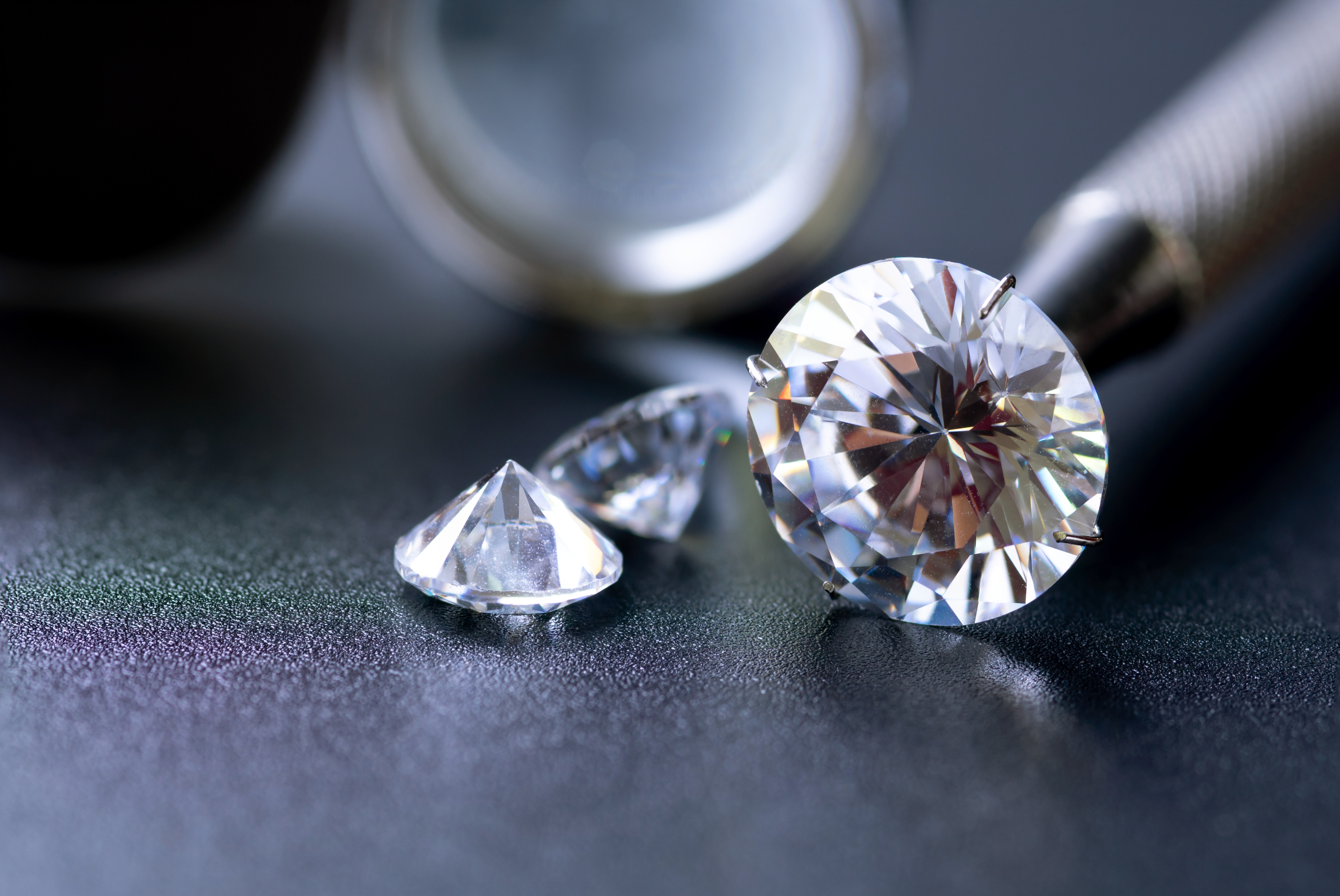
Once thought of as just scientific curiosities, lab-grown diamonds have recently gained popularity in the jewellery market, challenging the traditional dominance of mined diamonds. These marvels of innovation are not, as many mistakenly think, imitations of diamonds. Rather, they are real diamonds created through a process that replicates the natural conditions of diamond formation.
From their eco-friendly credentials and ethical sourcing to their affordability and quality, lab-grown diamonds trend is one that’s here to stay. But when did lab-grown diamonds become popular? How were they discovered?
In this article, we’ll look into the background of lab-grown diamonds and why they’ve made such a strong mark in the jewellery industry.
The history of lab-grown diamonds
The concept of synthesising diamonds was first hypothesised in the late 1800s. Scientists understood that diamonds were made of carbon and formed under high pressure and temperature conditions deep within the Earth. The challenge was replicating these extreme conditions in a controlled laboratory environment. Early attempts were met with limited success, as the technology of the time couldn't accurately mimic the natural formation process of diamonds.
The breakthrough came in the 1950s when a team of scientists, led by H. Tracy Hall at General Electric, successfully created the first reproducible synthetic diamonds. This milestone was achieved using the High Pressure High Temperature (HPHT) method, which replicated the intense pressure and heat found deep within the Earth. The diamonds were small and mostly suitable for industrial applications. As the decades passed by and technology advanced, the quality of these diamonds improved, making them suitable for the jewellery market. It wasn’t until the 21st century that the lab-grown diamonds trend began to make headway in the jewellery industry.
Factors driving consumer interest
As common myths about lab-grown diamonds continue to be challenged, more and more reasons to opt for these synthetic gemstones are coming to light.
Affordability: A More Accessible Luxury 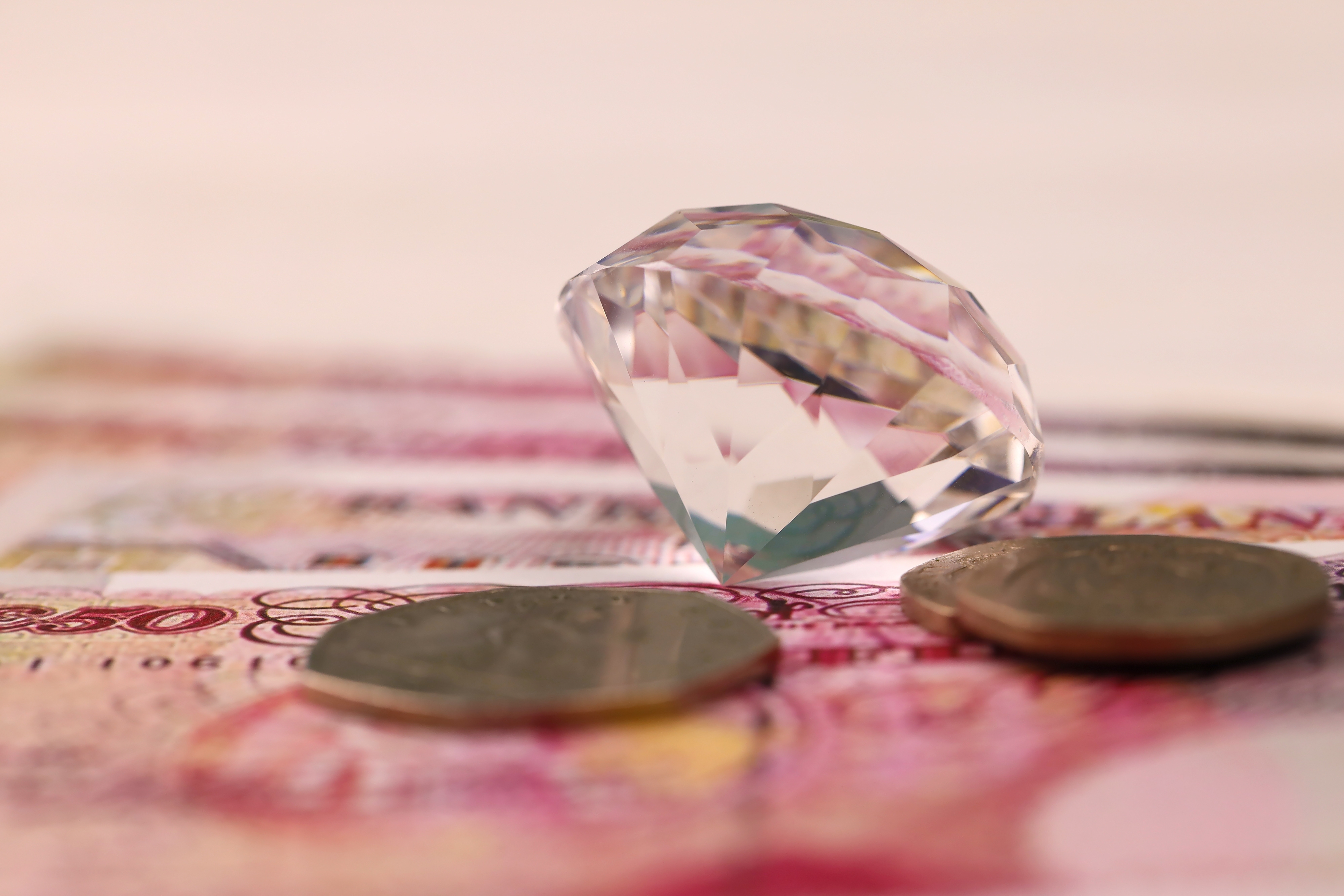
One of the most compelling attractions of lab-grown diamonds is their affordability. These diamonds typically cost significantly less than their mined counterparts, mostly due to shorter supply chains and lower production costs.
The process of growing diamonds in a lab is less resource-intensive compared to the extensive mining operations required for natural diamonds. This price difference makes diamonds, once considered a luxury for the few, more accessible to a broader range of consumers. Couples looking for engagement rings, diamond enthusiasts, and first-time buyers are now able to purchase larger or higher quality diamonds within the same budget.
Ethical Considerations: A Conscious Choice 
In an era where consumers are increasingly aware of the impact of their purchases, lab-grown diamonds offer a more ethical alternative to natural diamonds. The mining of diamonds has long been associated with various environmental and human rights concerns, including habitat destruction, labour exploitation, and the funding of conflicts (commonly known as "blood diamonds").
Lab-grown diamonds provide a solution to these issues. By opting for diamonds grown in controlled laboratory environments, consumers can enjoy the beauty of these gemstones without contributing to the ethical dilemmas associated with traditional diamond mining.
Environmental Impact: Reducing the Carbon Footprint
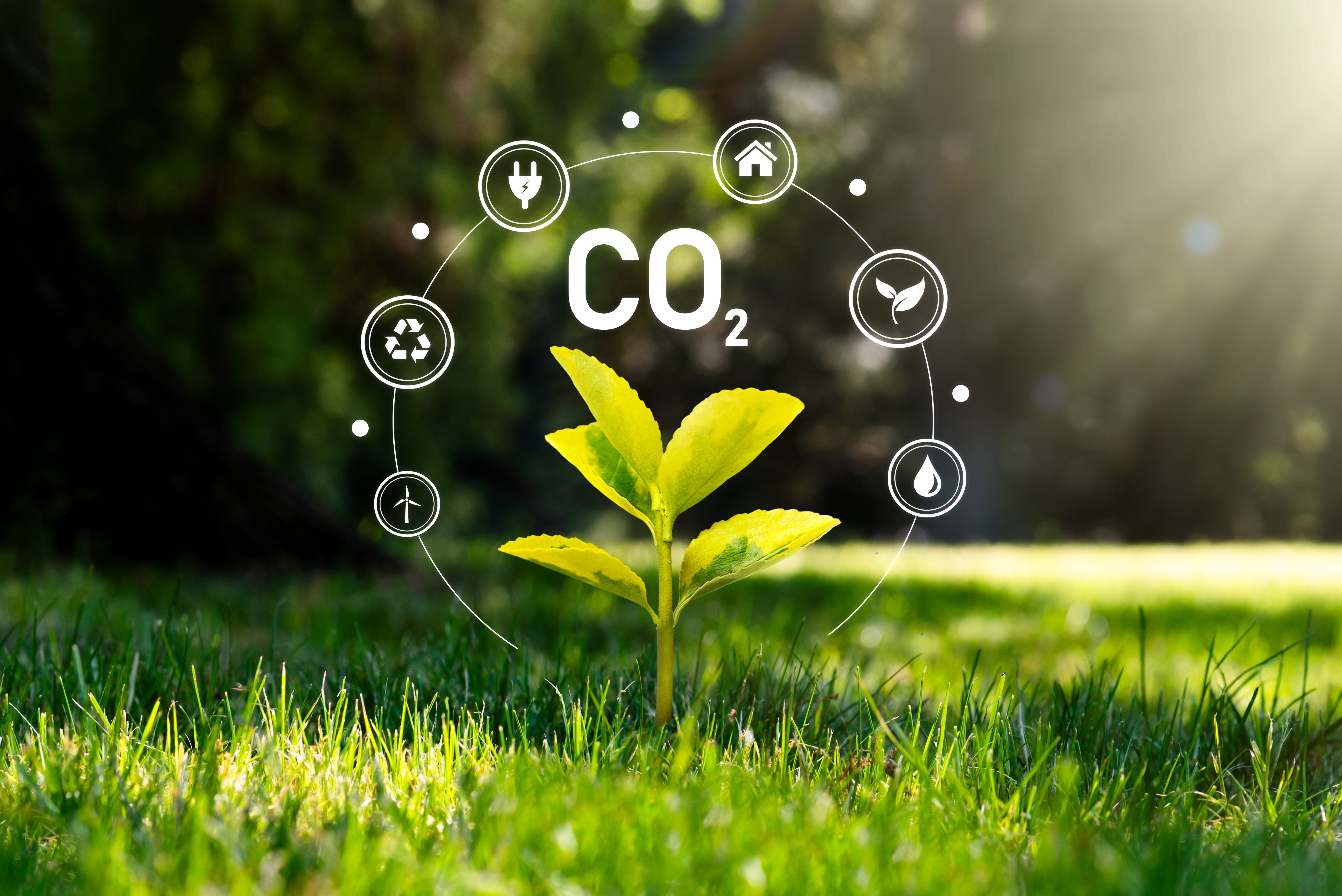
The environmental impact of mining is another significant concern among consumers. Diamond mining involves substantial earth displacement, ecosystem disruption, and energy use. In contrast, producing lab-grown diamonds generally results in a lower environmental footprint. Advances in technology have made the process more energy-efficient, and many labs are increasingly using renewable energy sources.
How jewellery brands and retailers are positioning lab-grown in the market
As the lab-grown diamonds trend continues to grow, jewellery brands and retailers are adapting and innovating in how they market and position these stones.
Many brands are highlighting the sustainable and ethical aspects of lab-grown diamonds in their marketing efforts. By focusing on the reduced environmental impact and the absence of conflict mining, they are appealing to environmentally conscious consumers who are increasingly making purchasing decisions based on ethical considerations.
Jewellery brands are also emphasising the quality and technological advancements behind lab-grown diamonds. By educating consumers about the identical similarities between lab-grown and mined diamonds in terms of physical, chemical and optical properties, they are dispelling myths and misconceptions.
Industry efforts to establish standards and certifications
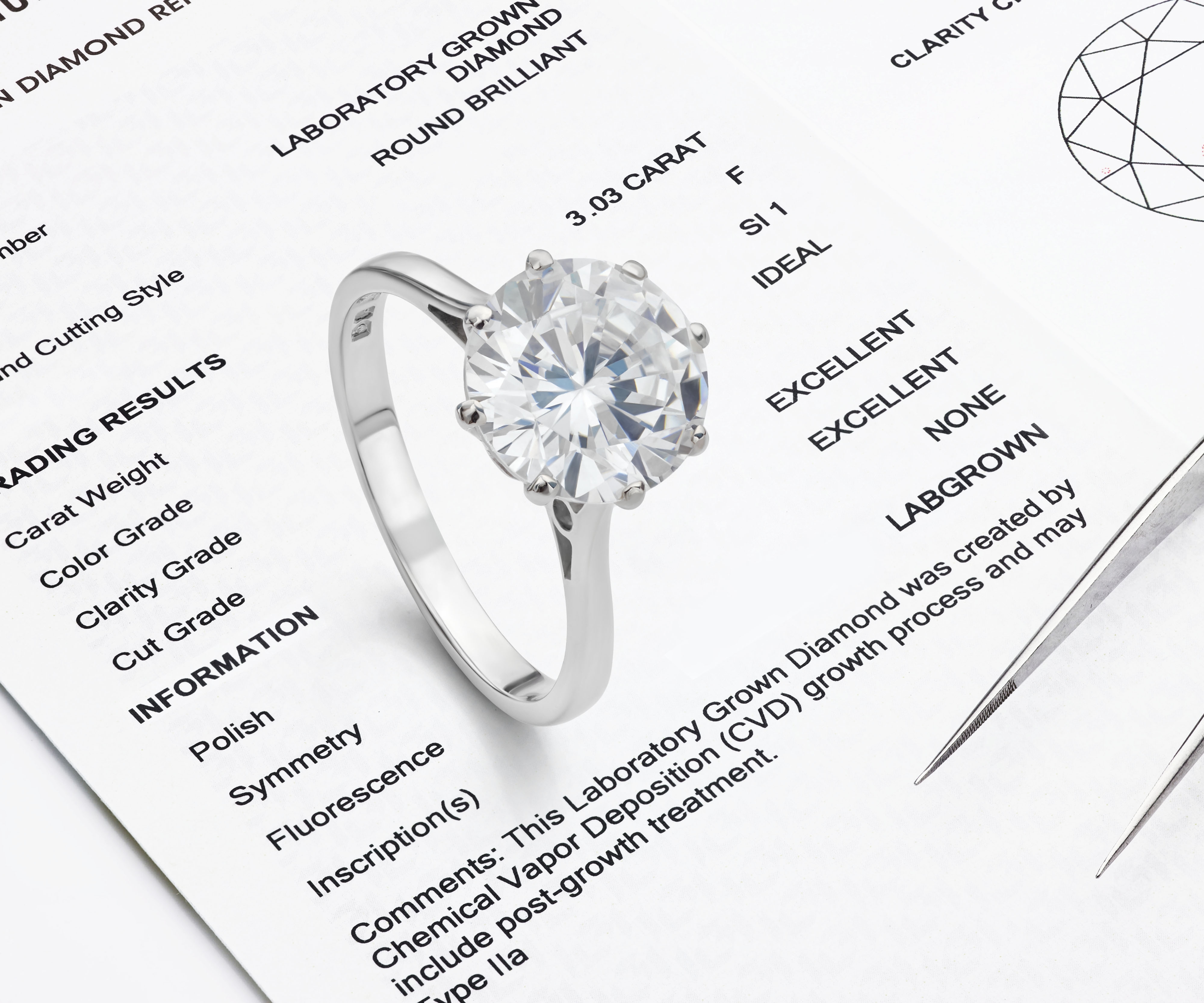
Similar to mined diamonds, lab-grown diamonds are evaluated based on the 4Cs (cut, colour, clarity and carat weight). Recognised gemological institutes have developed specific grading systems for lab-grown diamonds, which are tailored to their unique creation process.
Well-known institutions such as the Gemological Institute of America, International Gemological Institute and HRD Antwerp offer certification for lab-grown diamonds. These certifications attest to the diamond’s lab-grown origin and provide a thorough analysis of its 4Cs, ensuring that consumers are fully informed about their purchase.
The future growth and development of the lab-grown diamond industry
As technology continues to advance, we can expect to see further improvements in the efficiency and cost-effectiveness of lab-grown diamond production. The debate of "moissanite vs lab diamonds" highlights a growing interest in alternatives to traditionally mined diamonds that offer both luxury and sustainability.
Technological advancements will likely lead to larger, higher quality diamonds being produced more quickly and at lower costs. Innovations in diamond growing techniques could also lead to new and unique diamond types that are not available through natural processes.
Along with technological advancements, the increasing awareness and acceptance of lab-grown diamonds among consumers are set to drive further market expansion. As more people become educated about the benefits and quality of lab-grown diamonds, the demand is expected to rise, especially among younger, more environmentally conscious consumers. This growing acceptance will likely encourage more jewellers and retailers to include lab-grown diamonds in their collections.
Whether you're seeking a stunning engagement ring, a stunning pair of lab diamond earrings for occasions, or simply want to add a touch of sustainable luxury to your everyday style, our lab-grown diamond collection offers something for everyone. Dive into our exquisite collection of lab-grown diamond jewellery now.





-275x181.jpg "Sustainability Lab Grown Diamonds")
-275x181.jpg "Lab-Grown Diamond Myths and Facts")
-275x181.jpg "Lab-grown diamonds vs real diamonds")

.jpg)
 Unlock private sale access
 Birthday privileges
 Plus a world of exclusives, curated for you.




The rise of lab-grown diamonds in the jewellery industry
Once thought of as just scientific curiosities, lab-grown diamonds have recently gained popularity in the jewellery market, challenging the traditional dominance of mined diamonds. These marvels of innovation are not, as many mistakenly think, imitations of diamonds. Rather, they are real diamonds created through a process that replicates the natural conditions of diamond formation.
From their eco-friendly credentials and ethical sourcing to their affordability and quality, lab-grown diamonds trend is one that’s here to stay. But when did lab-grown diamonds become popular? How were they discovered?
In this article, we’ll look into the background of lab-grown diamonds and why they’ve made such a strong mark in the jewellery industry.
Round Side Stone Diamond Engagement Ring
$1,782
Round Diamond Engagement Ring
$1,618
Round Diamond Engagement Ring
$1,708
Round Diamond Engagement Ring
$2,493
Round Diamond Engagement Ring
$1,565
Diamond Engagement Ring
$3,709
The concept of synthesising diamonds was first hypothesised in the late 1800s. Scientists understood that diamonds were made of carbon and formed under high pressure and temperature conditions deep within the Earth. The challenge was replicating these extreme conditions in a controlled laboratory environment. Early attempts were met with limited success, as the technology of the time couldn't accurately mimic the natural formation process of diamonds.
The breakthrough came in the 1950s when a team of scientists, led by H. Tracy Hall at General Electric, successfully created the first reproducible synthetic diamonds. This milestone was achieved using the High Pressure High Temperature (HPHT) method, which replicated the intense pressure and heat found deep within the Earth. The diamonds were small and mostly suitable for industrial applications. As the decades passed by and technology advanced, the quality of these diamonds improved, making them suitable for the jewellery market. It wasn’t until the 21st century that the lab-grown diamonds trend began to make headway in the jewellery industry.
Factors driving consumer interest
As common myths about lab-grown diamonds continue to be challenged, more and more reasons to opt for these synthetic gemstones are coming to light.
Affordability: A More Accessible LuxuryOne of the most compelling attractions of lab-grown diamonds is their affordability. These diamonds typically cost significantly less than their mined counterparts, mostly due to shorter supply chains and lower production costs.
The process of growing diamonds in a lab is less resource-intensive compared to the extensive mining operations required for natural diamonds. This price difference makes diamonds, once considered a luxury for the few, more accessible to a broader range of consumers. Couples looking for engagement rings, diamond enthusiasts, and first-time buyers are now able to purchase larger or higher quality diamonds within the same budget.
Ethical Considerations: A Conscious ChoiceIn an era where consumers are increasingly aware of the impact of their purchases, lab-grown diamonds offer a more ethical alternative to natural diamonds. The mining of diamonds has long been associated with various environmental and human rights concerns, including habitat destruction, labour exploitation, and the funding of conflicts (commonly known as "blood diamonds").
Lab-grown diamonds provide a solution to these issues. By opting for diamonds grown in controlled laboratory environments, consumers can enjoy the beauty of these gemstones without contributing to the ethical dilemmas associated with traditional diamond mining.
Environmental Impact: Reducing the Carbon FootprintThe environmental impact of mining is another significant concern among consumers. Diamond mining involves substantial earth displacement, ecosystem disruption, and energy use. In contrast, producing lab-grown diamonds generally results in a lower environmental footprint. Advances in technology have made the process more energy-efficient, and many labs are increasingly using renewable energy sources.
How jewellery brands and retailers are positioning lab-grown in the market
As the lab-grown diamonds trend continues to grow, jewellery brands and retailers are adapting and innovating in how they market and position these stones.
Many brands are highlighting the sustainable and ethical aspects of lab-grown diamonds in their marketing efforts. By focusing on the reduced environmental impact and the absence of conflict mining, they are appealing to environmentally conscious consumers who are increasingly making purchasing decisions based on ethical considerations.
Jewellery brands are also emphasising the quality and technological advancements behind lab-grown diamonds. By educating consumers about the identical similarities between lab-grown and mined diamonds in terms of physical, chemical and optical properties, they are dispelling myths and misconceptions.
Industry efforts to establish standards and certifications
Similar to mined diamonds, lab-grown diamonds are evaluated based on the 4Cs (cut, colour, clarity and carat weight). Recognised gemological institutes have developed specific grading systems for lab-grown diamonds, which are tailored to their unique creation process.
Well-known institutions such as the Gemological Institute of America, International Gemological Institute and HRD Antwerp offer certification for lab-grown diamonds. These certifications attest to the diamond’s lab-grown origin and provide a thorough analysis of its 4Cs, ensuring that consumers are fully informed about their purchase.
The future growth and development of the lab-grown diamond industry
As technology continues to advance, we can expect to see further improvements in the efficiency and cost-effectiveness of lab-grown diamond production. The debate of "moissanite vs lab diamonds" highlights a growing interest in alternatives to traditionally mined diamonds that offer both luxury and sustainability.
Technological advancements will likely lead to larger, higher quality diamonds being produced more quickly and at lower costs. Innovations in diamond growing techniques could also lead to new and unique diamond types that are not available through natural processes.
Along with technological advancements, the increasing awareness and acceptance of lab-grown diamonds among consumers are set to drive further market expansion. As more people become educated about the benefits and quality of lab-grown diamonds, the demand is expected to rise, especially among younger, more environmentally conscious consumers. This growing acceptance will likely encourage more jewellers and retailers to include lab-grown diamonds in their collections.
Whether you're seeking a stunning engagement ring, a stunning pair of lab diamond earrings for occasions, or simply want to add a touch of sustainable luxury to your everyday style, our lab-grown diamond collection offers something for everyone. Dive into our exquisite collection of lab-grown diamond jewellery now.